
There’s something enchanting about stepping into a cozy kitchen, where the rich aromas of spices and hearty vegetables mingle in the air. That's the magic of German soup! Rooted in cultural heritage, these traditional dishes are not just meals; they are a warm embrace on a chilly day. Whether you're aiming for a quick weeknight dinner or a comforting weekend feast, this collection of German soup recipes delivers effortless warmth and nourishing flavors. Plus, they’re a fantastic way to use seasonal produce, infusing your meals with fresh goodness. What will be your next big culinary adventure: a warming bowl of Kartoffelsuppe or maybe a tangy bowl of Sauerkraut soup? Let's dive in!

Why are German soups a must-try?
Hearty warmth: Each bowl of German soup brings a comforting embrace, perfect for chilly days and family gatherings.
Rich cultural heritage: These recipes draw from centuries of tradition, showcasing authentic flavors that tell the story of Germany.
Versatile ingredients: Utilize seasonal produce effortlessly, making it easy to enjoy fresh and wholesome meals.
Easy preparations: Many of these soups require minimal effort, allowing you to spend more time enjoying time with loved ones instead of slaving away in the kitchen.
Endless variety: From creamy Kartoffelsuppe to tangy Sauerkraut soup, you’ll find a delectable option for every palate. Embrace the charm of homemade goodness! Plus, don’t forget to pair these soups with a side of crusty bread or pretzels for an unforgettable meal.
German Soup Ingredients
Discover the essentials for your cozy cooking adventure!
For the Base
- Vegetable broth – a warm foundation that adds depth to any German soup.
- Onions – finely chopped, they lend sweetness and flavor to your soup.
- Garlic – minced for an aromatic touch that complements hearty ingredients.
For the Vegetables
- Potatoes – diced; they offer creaminess and heartiness, especially in Kartoffelsuppe.
- Carrots – chopped for a sweet flavor and vibrant color in your soup.
- Celery – sliced; it adds a refreshing crunch that elevates the dish.
For the Seasoning
- Bay leaves – these enhance the soup’s flavor with a subtle herbal note.
- Thyme – dried or fresh, it brings an earthy taste typical of traditional German recipes.
- Salt and pepper – to taste, enhancing the overall flavors and balancing the broth.
Feel free to mix and match these essentials to create your perfect German soup!
Step‑by‑Step Instructions for German Soup
Step 1: Prepare the Vegetables
Start by finely chopping the onions and mincing the garlic. In a large pot over medium heat, add a splash of vegetable oil and sauté the onions until they become translucent, about 5 minutes. Stir in the minced garlic and cook for an additional minute, allowing their aromatic essence to fill your kitchen, setting the stage for your delicious German soup.
Step 2: Add the Broth
Pour in 4 cups of vegetable broth and bring the mixture to a gentle simmer. This should take about 5 minutes. As it heats, add in your bay leaves and thyme for an earthy aroma that enhances the broth’s flavor. Keep an eye on the pot, ensuring it simmers steadily, which will intensify the flavors as the ingredients meld beautifully.
Step 3: Introduce the Vegetables
Next, add diced potatoes, chopped carrots, and sliced celery to the pot. Stir them gently into the simmering broth, cooking for 15–20 minutes or until the vegetables are tender but still hold their shape. The vibrant colors will brighten the soup, inviting everyone to the table as the comforting aromas waft through your home.
Step 4: Season and Simmer
Once the vegetables are tender, season your German soup with salt and pepper to taste. Allow it to simmer for an additional 5 minutes to let the flavors develop and blend together. As you taste and adjust the seasoning, feel free to add more herbs if desired, ensuring each bowl is a perfect representation of traditional German warmth and goodness.
Step 5: Serve with Sides
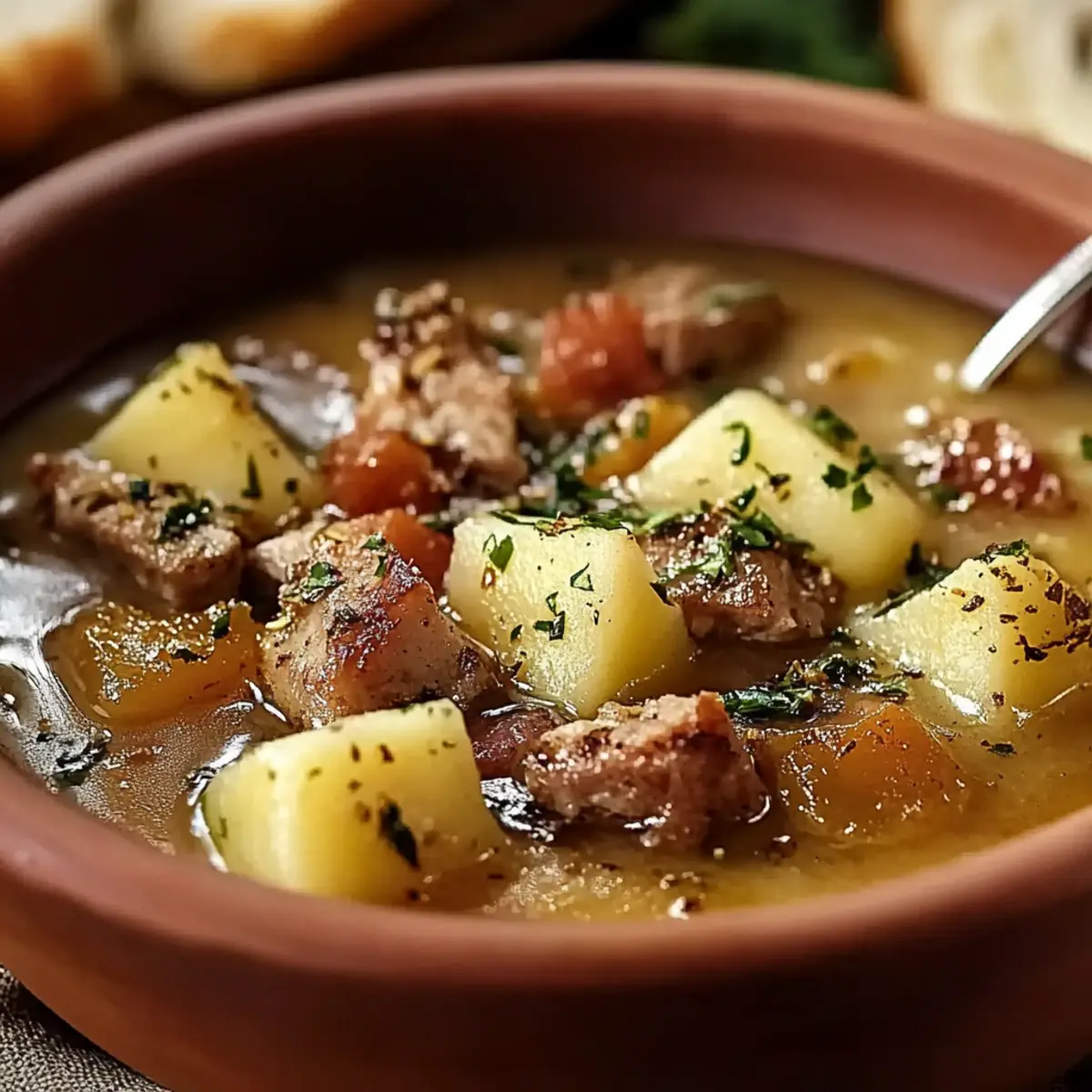
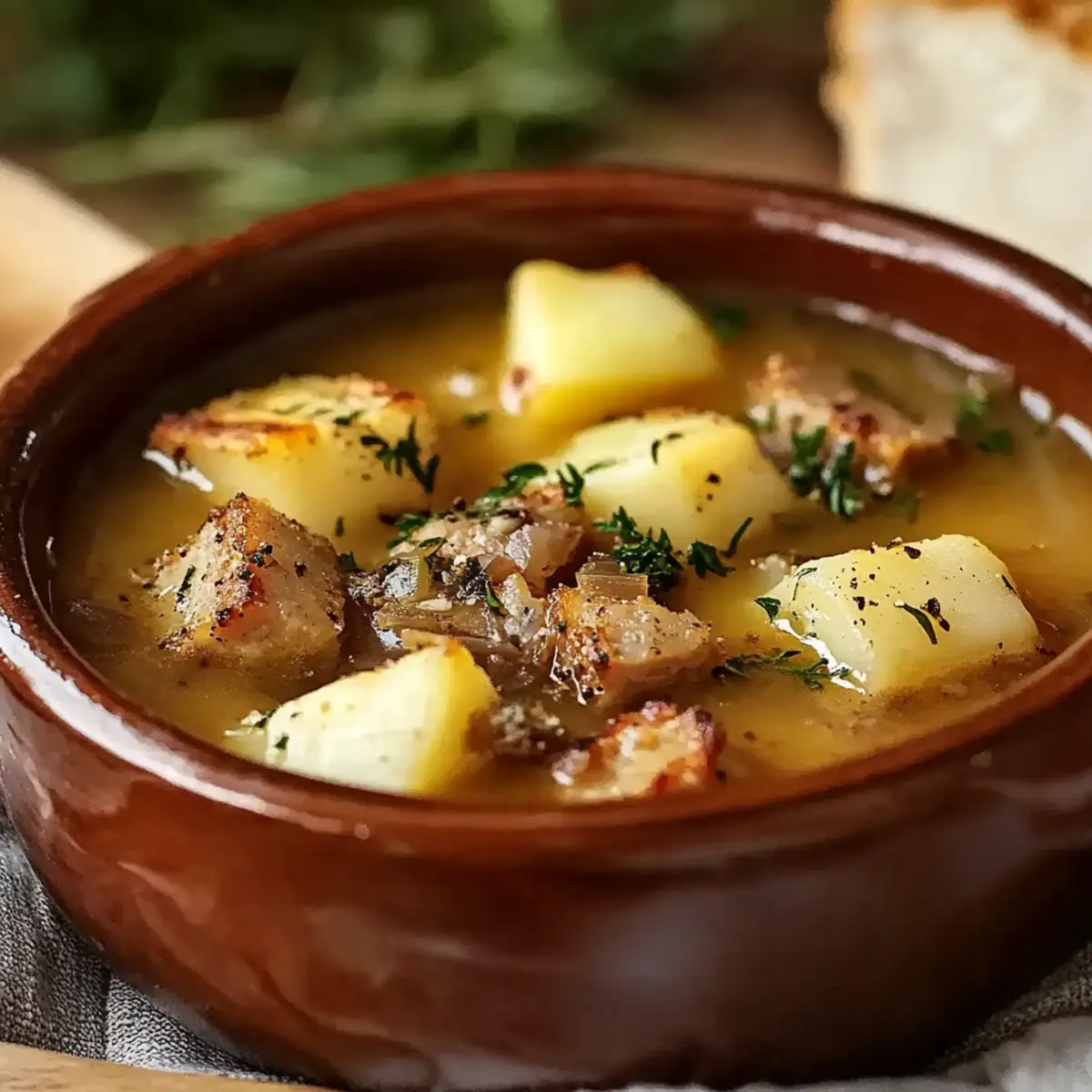
When ready, ladle your hearty German soup into bowls, garnishing with fresh herbs if you like. Serve alongside crusty bread, pretzels, or a fresh side salad for a complete meal that warms the heart and soul. Each bite of this comforting soup will surely remind you of home and family, making it an ideal dish for any gathering.
Expert Tips for Perfect German Soup
-
Quality Broth Matters: Use homemade vegetable broth for a richer, more satisfying flavor. Store-bought can be convenient but may lack depth.
-
Timing is Key: Avoid overcooking the vegetables; they should be tender but still intact. Aim for just 15–20 minutes of simmering once added to the broth.
-
Taste as You Go: Always taste your German soup as it cooks. Adjust the seasoning throughout the process to ensure a balanced flavor in the final dish.
-
Fresh Herbs: Adding fresh herbs at the end boosts flavor and adds a vibrant touch. Use parsley or chives for a lovely finish.
-
Storage Savvy: Cool your soup completely before storing. This helps maintain an optimal texture when reheating. Remember, flavors often deepen after being stored overnight!
German Soup Variations & Substitutions
Feel free to customize your German soup to suit your taste buds or dietary needs—there's so much potential for deliciousness!
- Vegetarian: Swap chicken or beef broth for vegetable broth to make it veggie-friendly without losing flavor.
- Creamy Twist: Add a splash of heavy cream or sour cream for a richer, more indulgent texture.
- Spice it Up: Toss in a pinch of smoked paprika or a dash of cayenne for a delightful kick that elevates the whole bowl.
- Herb Fusion: Experiment with fresh herbs like dill or rosemary for a refreshing take on traditional seasoning. They bring unique brightness to the dish!
- No Potatoes: Use sweet potatoes or cauliflower instead for a low-carb alternative that adds a subtly sweet flavor.
- Beans for Protein: Incorporate white beans or lentils for added protein and texture, making the soup even heartier.
- Gluten-Free: Ensure any bread served alongside is gluten-free, or omit the bread entirely to keep the meal safe for gluten-sensitive diners.
- Chunky Style: For a heartier experience, reserve some sautéed vegetables to mix in at the end, creating a delightful contrast in texture.
Remember, a great soup is always a personal journey, so don’t hesitate to play with flavors and ingredients to make it uniquely yours! And if you’re curious about what bread to serve, check out our post on how to make homemade crusty bread for the perfect pairing with your German soup.
Make Ahead Options
Preparing German soup ahead of time is a fantastic way to save on cooking during busy weekdays! You can chop all the vegetables (onions, potatoes, carrots, and celery) up to 24 hours in advance and store them in an airtight container in the refrigerator. This step ensures they stay fresh while cutting down prep time considerably. Alternatively, if you prefer, you can fully prepare the soup and refrigerate it for up to 3 days, allowing the flavors to meld beautifully. When you're ready to enjoy it, simply reheat on the stove over medium heat until warmed through, usually about 10 minutes, and add any final seasoning. You'll have a delightful bowl of hearty German soup ready with minimal effort—just as comforting and delicious as a freshly made batch!
What to Serve with Traditional German Soup?
Warm aromas and hearty ingredients await to complement your delightful bowl of comfort.
-
Crusty Bread: Perfect for dipping, this crunchy delight enhances every spoonful of soup while adding a satisfying texture.
-
Soft Pretzels: Chewy and delicious, pretzels bring a lovely saltiness that pairs beautifully with the rich flavors of German soup.
-
Fresh Side Salad: A crisp salad with seasonal greens and a light vinaigrette balances the hearty soup, offering a refreshing contrast in every bite.
-
Potato Pancakes: Crispy, golden, and slightly savory; they are a classic accompaniment that’ll make each meal feel more festive.
-
Beer: A robust German lager or wheat beer complements the earthy flavors and adds a celebratory spirit to your dining experience.
-
Apple Strudel: For a sweet finish, this warm dessert with spiced apples offers a delightful contrast to the savory soup, ensuring a comforting meal from start to finish.
These pairings create a delightful symphony of flavors and textures that elevate your traditional German soup experience!
How to Store and Freeze German Soup
Fridge: Store your German soup in an airtight container for up to 3 days. Allow it to cool completely before refrigerating to maintain its rich flavors.
Freezer: Freeze portions of your German soup in freezer-safe containers for up to 3 months. Be sure to leave some space at the top for expansion during freezing.
Reheating: Thaw overnight in the fridge and reheat on the stove over medium heat, stirring occasionally, until heated through. Add a splash of broth if needed for texture.
Quality Check: Always give your soup a quick taste after storing, as flavors may evolve over time, creating a wonderfully rich dish perfect for future meals.
Traditional German Soup Recipes Recipe FAQs
What is the best way to select the right vegetables for German soup?
Absolutely! When choosing vegetables, look for fresh, vibrant produce. Potatoes should be firm with no dark spots, while onions and carrots should be crisp. I often opt for seasonal vegetables, ensuring my soup is as flavorful as it is nourishing!
How should I store leftover German soup, and how long will it last?
You can store your German soup in an airtight container in the fridge for up to 3 days. Just let it cool completely first to retain its rich flavors. For longer storage, consider freezing, which can keep it fresh for up to 3 months.
Can I freeze German soup, and if so, how?
Yes, you can definitely freeze German soup! First, let it cool completely. Then, pour it into freezer-safe containers or heavy-duty freezer bags—just remember to leave some space for expansion. When ready to enjoy, thaw the soup overnight in the fridge and reheat on the stove, adding a splash of broth if needed for the right texture.
What if my German soup is too salty?
No worries at all! If you find your soup too salty, you can help balance it out by adding more vegetables or a little water to dilute the saltiness. Another great trick is to toss in a peeled potato while simmering—it absorbs some saltiness. Simmer for 10-15 minutes, then remove the potato before serving!
Are there any dietary considerations I should be aware of when making German soup?
Absolutely! If you're cooking for anyone with allergies, always ensure the broth is gluten-free, especially if you're using store-bought options. Additionally, if you're considering making a version for pets, remember that onions and garlic can be toxic to dogs, so be cautious with those ingredients!

Hearty German Soup Recipes to Warm Your Heart and Home
Ingredients
Equipment
Method
- Finely chop the onions and mince the garlic. In a large pot over medium heat, add a splash of vegetable oil and sauté the onions until translucent, about 5 minutes. Stir in garlic and cook for 1 additional minute.
- Pour in 4 cups of vegetable broth and bring to a gentle simmer, adding bay leaves and thyme. Simmer for about 5 minutes.
- Add diced potatoes, chopped carrots, and sliced celery to the pot. Stir and cook for 15–20 minutes until vegetables are tender but still hold their shape.
- Season with salt and pepper, allowing it to simmer for an additional 5 minutes to let flavors develop.
- Ladle soup into bowls, garnish with fresh herbs if desired, and serve alongside crusty bread, pretzels, or a fresh side salad.




Leave a Reply