
As the sun dipped below the horizon, the heavenly aroma of fresh bread dancing through the air immediately transported me to cozy bakeries in France. This Sourdough French Bread is not just a recipe; it’s a journey into the heart of homemade goodness that can transform any ordinary meal into a celebration. With just four simple ingredients, you'll create a crusty loaf that’s perfect for tearing apart with friends or enjoying with a warm bowl of soup. Not only is it a fun twist on your typical bread-making routine, but this recipe is also incredibly forgiving—ideal for those just starting their baking adventures. Plus, who can resist the satisfaction of pulling a warm loaf from the oven, ready to be slathered with butter? Are you ready to bring a slice of France into your home? Let’s dive into the delightful world of Sourdough French Bread!
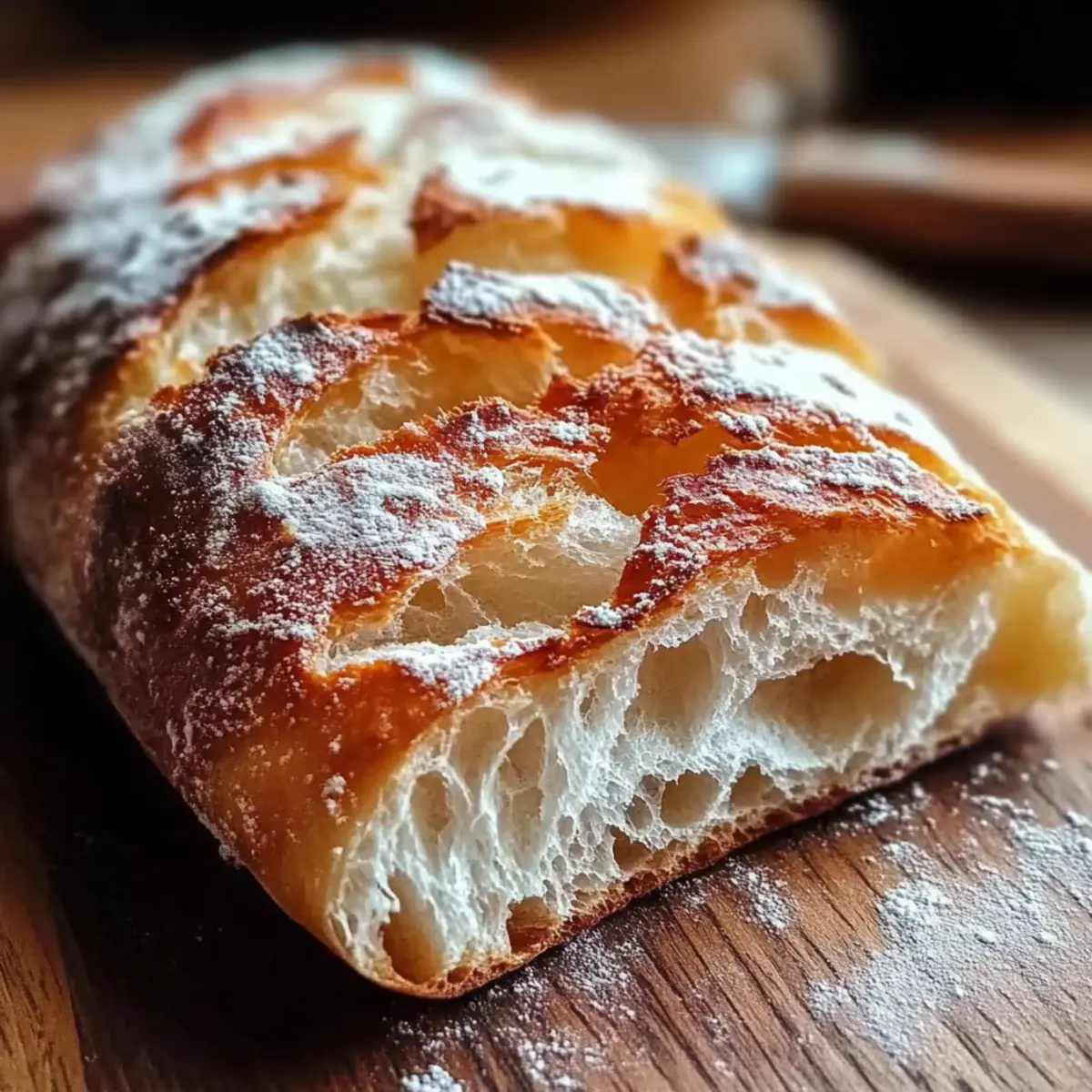
Why is Sourdough French Bread So Special?
Simplicity: With just four ingredients, anyone can master this delightful recipe in no time.
Aromatic Bliss: The scent of freshly baked bread wafting through your kitchen is truly irresistible, creating an enchanting ambiance.
Versatile Delight: Perfect for brunch, dinner, or a cozy night in, this bread adapts beautifully to any occasion. Pair it with your favorite soup or enjoy it as a simple toast.
Impressive Results: Bake up a stunning loaf that’s sure to impress family and friends, making it the star of any gathering.
Time for Tradition: Embrace the joy of homemade bread with a method that respects the age-old craft, yet is straightforward enough for beginners.
Crowd-Pleasing: Whether served as a base for sandwiches or enjoyed on its own, everyone will love this scrumptious Sourdough French Bread!
Sourdough French Bread Ingredients
Unlock the secrets of homemade Sourdough French Bread with these essential ingredients!
For the Dough
• All-purpose flour – Use high-quality flour for a better texture and rise.
• Sourdough starter – This is what gives your bread its lovely tang and airy structure.
• Water – Room temperature water activates the sourdough starter perfectly for leavening.
• Salt – Enhances flavor and strengthens the dough structure during the mixing process.
Step-by-Step Instructions for Sourdough French Bread
Step 1: Prepare the Dry Ingredients
In a large bowl, combine 3 cups of all-purpose flour and 1 teaspoon of salt. Use a whisk or fork to mix thoroughly, ensuring that the salt is evenly distributed throughout the flour. This crucial step prevents uneven seasoning in your Sourdough French Bread and lays a solid foundation for the dough to come.
Step 2: Mix the Wet Ingredients
Add 1 cup of sourdough starter and 1 cup of room temperature water to the flour mixture. Stir with your hands or a spoon until a shaggy dough forms, making sure there are no dry patches of flour left. This step should only take a couple of minutes, but it’s essential for activating the sourdough starter and hydrating the flour.
Step 3: Knead the Dough
Turn the shaggy dough onto a lightly floured surface and begin kneading. Work the dough for about 10 minutes until it becomes smooth and elastic. You’ll know it’s ready when it springs back after gently pressing it with your finger. This kneading develops the gluten, giving the Sourdough French Bread its perfect texture.
Step 4: First Rise
Place the kneaded dough in a greased bowl and cover it with a damp cloth. Allow it to rise in a warm, draft-free spot for 4-6 hours, or until it has doubled in size. Look for the dough to appear puffy and billowy, indicating that the fermentation process is working its magic.
Step 5: Preheat the Oven
About 30 minutes before baking, preheat your oven to 450°F (230°C). This strong heat will help achieve the desired crusty exterior on your Sourdough French Bread. If you have a baking stone or a cast-iron skillet, place it in the oven to heat up, which aids in creating steam for a better crust.
Step 6: Shape the Dough
Once the dough has risen beautifully, gently deflate it on a floured surface to punch out excess air. Shape it into a loaf by folding it inwards and rolling it onto itself. Transfer the shaped loaf onto a baking sheet lined with parchment paper, ensuring the loaf has enough space to expand during the second bake.
Step 7: Bake the Bread
Slide the baking sheet into the preheated oven and bake your Sourdough French Bread for 30-35 minutes. Keep an eye on the loaf, checking for a deep golden brown crust and a sound that’s hollow when tapped on the bottom. That’s your sign of a perfectly baked loaf!
Step 8: Cool Before Slicing
Once baked, remove the Sourdough French Bread from the oven and place it on a wire rack. Allow it to cool for at least 30 minutes before slicing. This cooling time is crucial, as it lets the interior finish cooking and the crust to set, ensuring you enjoy every delicious bite of your homemade bread.

Storage Tips for Sourdough French Bread
Room Temperature: Store your Sourdough French Bread in a paper bag at room temperature for up to 3 days. This helps maintain its crust while preventing moisture accumulation.
Fridge: If you need to keep it longer, you can wrap the bread in plastic wrap and place it in the fridge for up to a week, although it may lose some freshness.
Freezer: For extended storage, wrap the bread tightly in plastic wrap and foil, then freeze for up to 3 months. Thaw at room temperature before enjoying.
Reheating: Reheat slices by toasting them in the oven or skillet, which restores that delightful crust and warmth, making your Sourdough French Bread taste fresh again!
Expert Tips for Sourdough French Bread
-
Hydration Matters: Ensure your water is at room temperature. Cold water can slow down yeast activation, affecting your Sourdough French Bread's rise.
-
Kneading Technique: Don’t skip kneading! It develops gluten, leading to a lovely texture. If the dough feels too sticky, sprinkle a bit of flour, but avoid over-flouring.
-
Rising Time: For best results, let the dough rise in a warm place. A draft-free environment encourages proper fermentation, giving your Sourdough French Bread a better flavor and texture.
-
Baking Heat: Preheat your oven fully and consider using a baking stone for an even crust. This mimics a professional oven and helps create that golden-brown exterior.
-
Cooling Is Key: Allow your bread to cool completely before slicing. This lets the crumb set perfectly and prevents sogginess, ensuring your loaf is as delightful as possible!
Make Ahead Options
These Sourdough French Bread loaves are perfect for busy home cooks looking to save time! You can prepare the dough up to 24 hours in advance; simply follow the instructions up to the first rise. After shaping the dough, cover it tightly with plastic wrap and refrigerate to slow the fermentation process. This method not only enhances the flavor but also allows you to have freshly baked bread with minimal last-minute effort. When you're ready to bake, remove the dough from the fridge and let it rest at room temperature for about 30 minutes before proceeding with the baking instructions. This way, you'll enjoy just as delicious and crusty loaves without the rush!
What to Serve with Sourdough French Bread
Savor the delightful experience of a meal enhanced by the warm, crusty charm of homemade bread.
-
Hearty Tomato Soup: The classic pairing elevates any meal, providing a comforting balance to the crispy bread with velvety smoothness.
-
Creamy Garlic Mashed Potatoes: This indulgent side infuses a rich, buttery texture that perfectly complements the rustic crust of the bread.
-
Zesty Avocado Toast: Spread ripe avocado on slices of sourdough for a fresh and creamy bite, enhanced with a sprinkle of sea salt and lemon.
-
Savory Charcuterie Board: Assemble an array of cured meats, cheeses, and olives to pair with your bread, creating a delightful communal feast.
-
Classic Bruschetta: Topped with fresh tomatoes, basil, and balsamic glaze, this refreshing bite is a beautiful way to enjoy your sourdough.
-
Garden Salad with Citrus Vinaigrette: A light and zesty salad provides a crisp contrast to the richness of sourdough, making it a perfect palate cleanser.
-
Rich Beef Stew: The robust flavors of slow-cooked beef just beg to be mopped up with crusty slices of sourdough, creating a warming, hearty meal.
-
Homemade French Toast: Transform leftover slices into a decadent breakfast treat, coated in sweet cinnamon egg batter and stacked high for indulgence.
-
Refreshing Sparkling Water: Pair your meal with bubbly water to cleanse the palate, enhancing the flavors of your delightful bread-based meal.
Sourdough French Bread Variations
Feel free to explore these delicious options and make this Sourdough French Bread uniquely yours!
-
Whole Wheat: Substitute half the all-purpose flour with whole wheat flour for a nuttier flavor and added nutrition. This gives a hearty texture that pairs beautifully with spreads.
-
Herb-Infused: Add fresh or dried herbs like rosemary or thyme to the dough for an aromatic twist. The fragrance while baking will create an inviting atmosphere in your kitchen.
-
Cheesy Delight: Mix in shredded cheese, such as cheddar or parmesan, for a savory loaf that’s perfect on its own or paired with soups. Creamy cheese melts into the bread, creating delightful pockets of flavor.
-
Sweet & Spicy: Incorporate a touch of honey and a hint of chili flakes to the dough for a sweet and spicy kick. This unique combination will elevate your usual toast for breakfast.
-
Garlic Lover’s: Fold roasted garlic cloves into the dough before shaping for a rich, savory flavor. The warm garlic aroma makes it an irresistible companion to any meal.
-
Seed Topping: Before baking, sprinkle sesame, poppy, or sunflower seeds on top for a crunchy texture. The added crunch enhances the overall experience of enjoying the fresh bread.
-
Gluten-Free: Use a 1-to-1 gluten-free flour blend in place of all-purpose flour to cater to gluten sensitivities. Just keep in mind the texture may vary slightly from traditional bread.
-
Spicy Kick: Mix in chopped jalapeños or red pepper flakes to the dough for a zesty twist. This version will satisfy those who enjoy a little heat in their meals.
Whether you’re tweaking for health, flavor, or just to keep things exciting, these variations will make your Sourdough French Bread a delightful adventure each time you bake! Don’t forget to enjoy a slice fresh out of the oven with some homemade butter or top with your favorite ingredients.

Sourdough French Bread Recipe FAQs
What type of flour should I use for the best results?
Using high-quality all-purpose flour is essential for achieving a perfect texture and rise in your Sourdough French Bread. If you want a deeper flavor profile, consider using bread flour, which has a higher protein content that helps create a chewier crust.
How should I store my Sourdough French Bread?
To keep your bread fresh, store it in a paper bag at room temperature for up to 3 days. If you want to extend its shelf life, wrap it tightly in plastic wrap and place it in the fridge, but be aware that it may lose some freshness. Alternatively, freezing is a great option! Wrap the bread in plastic wrap and foil, then freeze for up to 3 months. Thaw it at room temperature and, for a crispy crust, reheat it in the oven or skillet.
Can I freeze Sourdough French Bread?
Absolutely! Freezing is a fantastic way to preserve your Sourdough French Bread. Here’s how: slice the cooled loaf, then wrap individual slices tightly in plastic wrap. After that, place the wrapped slices in a freezer-safe bag or container to prevent freezer burn. This way, you can grab a slice whenever you crave that fresh-baked goodness!
What should I do if my bread doesn’t rise?
If your Sourdough French Bread doesn’t rise, the first thing to check is your sourdough starter. It should be bubbly and active; if it’s been in the fridge, give it 4-6 hours at room temperature to reactivate before using. Also, ensure you placed the dough in a warm, draft-free area for the first rise. If it’s too cold, it could significantly slow down the fermentation process.
Is Sourdough French Bread suitable for people with gluten sensitivities?
Unfortunately, traditional Sourdough French Bread contains gluten due to the use of all-purpose flour. However, you can explore gluten-free sourdough starter options and substitute gluten-free flour blends to create a gluten-free version! Just keep in mind that the texture and flavor may differ slightly, but it can still be delicious.
Can my pet eat Sourdough French Bread?
While bread isn’t toxic to dogs or cats, it's not recommended to feed it to them regularly. The yeast in the dough can be harmful, causing gas or bloating, especially if consumed in large amounts. If you want to share a bite with your furry friend, opt for a small crust. Always consult your vet if you're unsure about what’s safe for your pet.
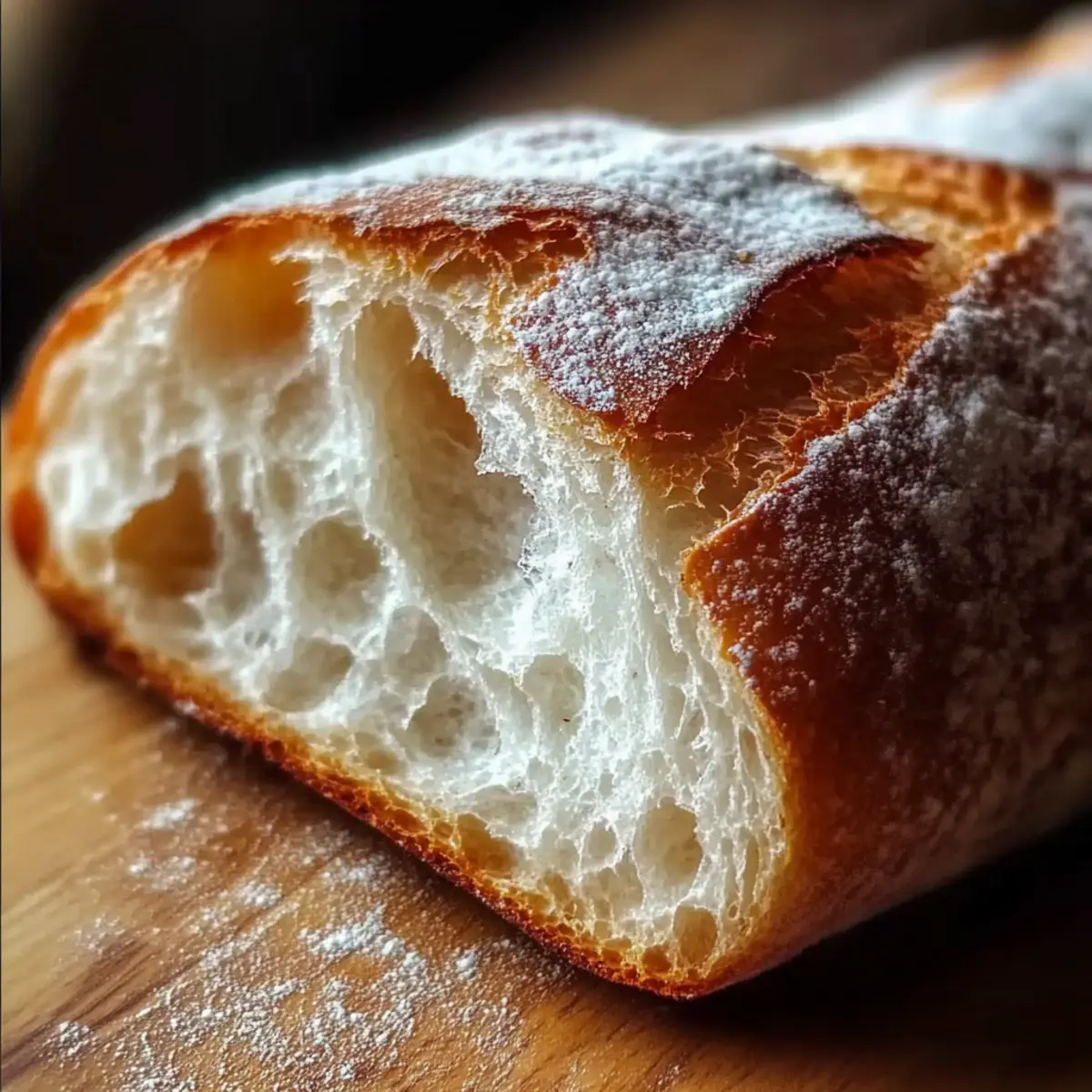
Bake Irresistible Sourdough French Bread at Home Today
Ingredients
Equipment
Method
- In a large bowl, combine 3 cups of all-purpose flour and 1 teaspoon of salt. Use a whisk or fork to mix thoroughly.
- Add 1 cup of sourdough starter and 1 cup of room temperature water to the flour mixture, stirring until a shaggy dough forms.
- Turn the shaggy dough onto a lightly floured surface and knead for about 10 minutes until smooth and elastic.
- Place the kneaded dough in a greased bowl, cover with a damp cloth, and let it rise for 4-6 hours until doubled in size.
- Preheat your oven to 450°F (230°C) about 30 minutes before baking.
- Gently deflate the risen dough and shape it into a loaf, then transfer to a baking sheet lined with parchment paper.
- Bake your Sourdough French Bread for 30-35 minutes until golden brown and hollow-sounding when tapped on the bottom.
- Remove from the oven and cool on a wire rack for at least 30 minutes before slicing.




Leave a Reply