
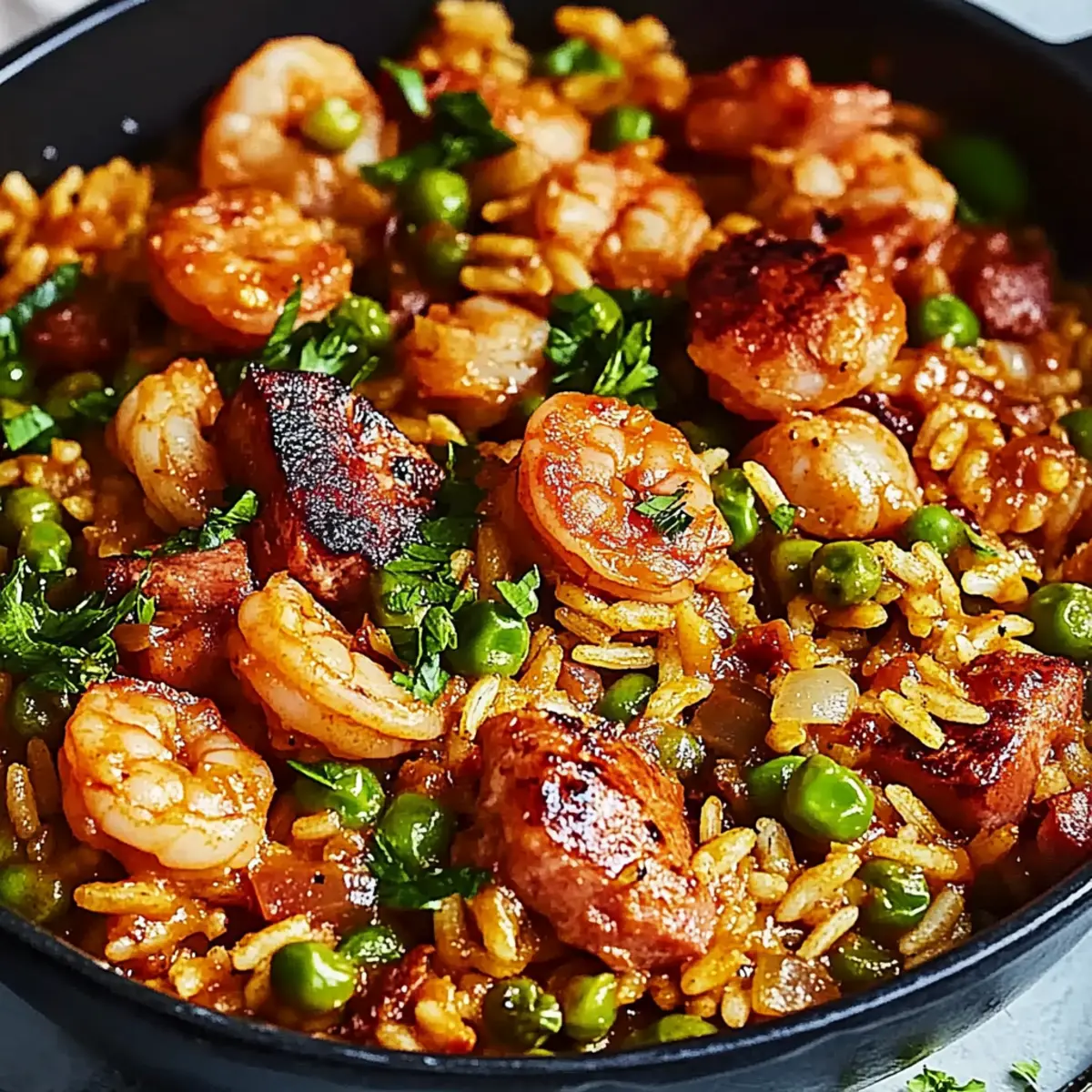
As I stood in my kitchen, the aroma of sautéed onions and garlic danced around me, instantly transporting me to the lively streets of New Orleans. This Classic Jambalaya recipe captures the essence of Southern comfort food while being delightfully easy to whip up on a weeknight. Combining juicy chicken, smoky sausage, and tender shrimp, the dish not only boasts vibrant flavors but also brings family and friends together around the table. Plus, with its one-pot preparation, clean-up is a breeze, making it an ideal choice for anyone who loves homemade food without the fuss. Are you ready to immerse yourself in a delicious journey of tastes and textures? Let’s dive into this satisfying jambalaya that's sure to spark joy in your kitchen!
Why is Jambalaya a must-try dish?
Flavor Explosion: This classic jambalaya is packed with layers of flavor, from the smoky sausage to the juicy shrimp—each bite is a delightful experience.
One-Pot Wonder: With all ingredients simmered together, cleanup is a breeze, which is perfect for busy weeknights!
Crowd-Pleaser: Whether you're hosting a dinner party or enjoying family time, this dish serves up to seven people, making it ideal for gatherings.
Versatile Ingredients: Substitute the proteins to cater to your favorite tastes—swap chicken for tofu or adjust the spices for a milder flavor, and don't forget to check out our tips on make-ahead meals.
Cultural Connection: Celebrate the rich flavors of Louisiana cooking right in your home and bring a touch of Southern warmth to your table!
Jambalaya Ingredients
For the Base
• 2 cups rice – This essential grain absorbs all the delicious spices and broth, creating a flavorful foundation.
• 4 cups water or broth – Using broth adds depth to the dish; try chicken or vegetable broth for extra taste.
For the Proteins
• 1 pound chicken – Use boneless thighs or breasts for tenderness; marinating ahead can enhance the flavor.
• 1 pound sausage – Opt for andouille for a spicy kick or smoked sausage for a milder taste.
• 1 pound shrimp – Fresh or frozen shrimp works; just ensure they’re deshelled for ease.
For the Veggies
• 1 onion – Diced onions bring sweetness and a savory profile when sautéed.
• 1 green bell pepper – Adds a crunch and essential vibrant color to your jambalaya.
• 3 cloves garlic – Freshly minced garlic elevates the aroma and flavor profile profoundly.
For the Seasoning
• 2 teaspoons paprika – This spice infuses the dish with both color and a subtle smokiness.
• 1 teaspoon cayenne pepper – Adjust to your heat preference, but this brings a beautiful warmth.
• 1 teaspoon dried thyme – Thyme adds an earthy essence that beautifully complements the dish.
• 1 teaspoon black pepper – A touch of black pepper balances all the other robust flavors.
• Salt to taste – Essential for enhancing overall flavor; be sure to taste as you go!
For Cooking
• 2 tablespoons oil – Choose olive or vegetable oil for sautéing the ingredients evenly.
A culinary adventure awaits with this jambalaya recipe—a true comfort dish brimming with flavors that warm your soul!
Step‑by‑Step Instructions for Jambalaya
Step 1: Heat the Oil
In a large pot, heat 2 tablespoons of oil over medium heat. Allow the oil to shimmer, indicating it’s hot enough for sautéing. You want the oil to dance slightly but not smoke. This will create the perfect base for your classic jambalaya.
Step 2: Sauté the Vegetables
Add the diced onion, chopped green bell pepper, and minced garlic to the pot. Sauté these vegetables for about 5-7 minutes, stirring occasionally, until they are soft and translucent. This step releases their flavors, creating an aromatic foundation for your jambalaya.
Step 3: Cook the Proteins
Next, introduce the 1 pound of cubed chicken and 1 pound of sliced sausage into the pot. Cook for around 8-10 minutes, stirring frequently, until the chicken is browned and the sausage starts to caramelize. This adds a rich depth to your classic jambalaya and ensures the proteins are well-seared.
Step 4: Combine the Rice and Spices
Stir in 2 cups of rice along with the paprika, cayenne pepper, dried thyme, black pepper, and salt. Sauté for an additional 2-3 minutes, allowing the rice to soak up the spices and flavors. At this stage, the mixture will begin to smell incredibly fragrant and inviting.
Step 5: Add the Liquid
Pour in 4 cups of water or broth, ensuring everything is well combined. Increase the heat to high and bring the mixture to a rolling boil. Once boiling, you’re ready for the next step to bring your classic jambalaya to life.
Step 6: Simmer the Jambalaya
Reduce the heat to low, and cover the pot with a lid. Let it simmer for about 25-30 minutes, or until the rice is tender and has absorbed the liquid. Check occasionally to ensure nothing is sticking to the bottom of the pot, resulting in a perfectly cooked jambalaya.
Step 7: Add the Shrimp
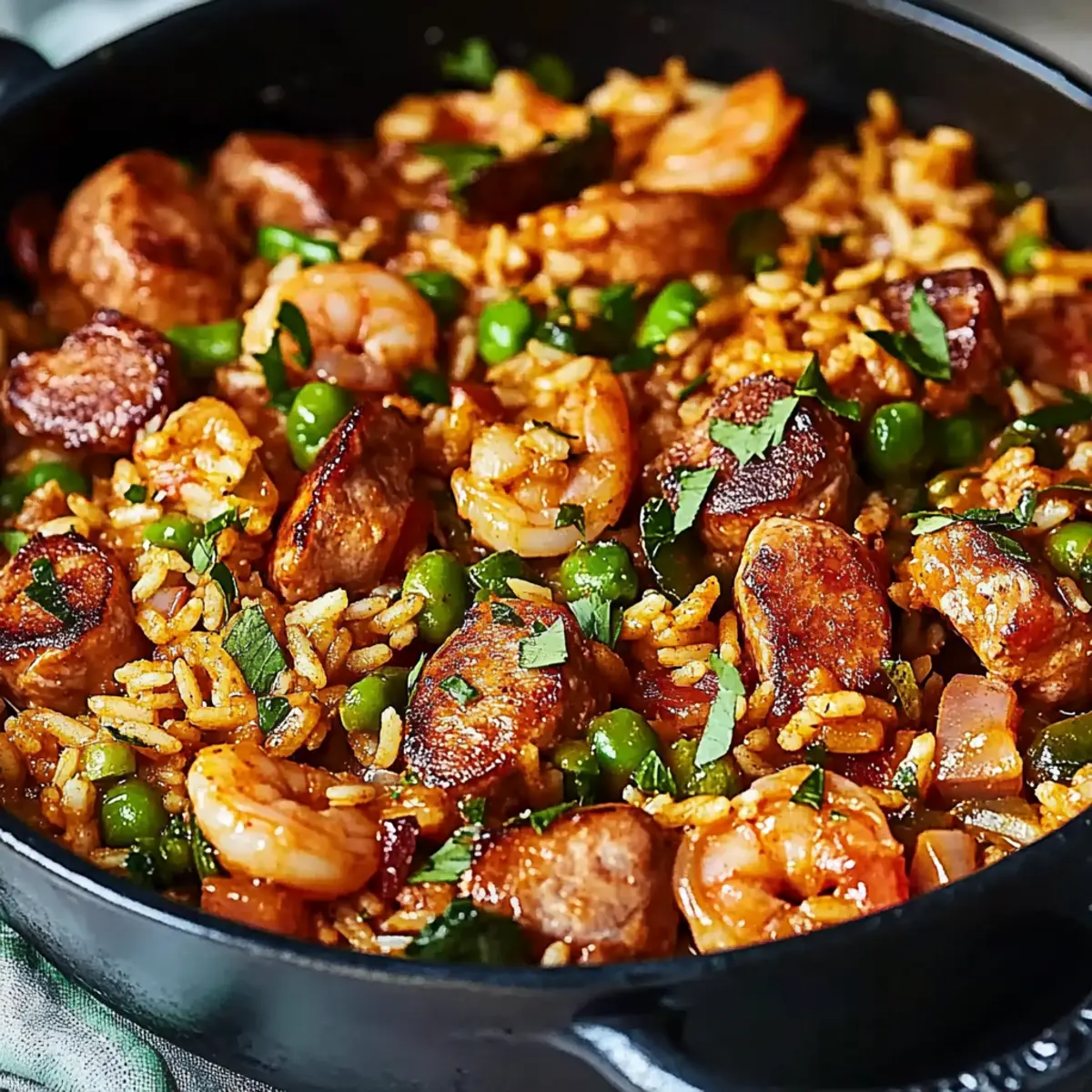
Finally, stir in 1 pound of shrimp and cook for an additional 5 minutes with the lid on. The shrimp should turn opaque and pink when fully cooked. This last addition rounds out your classic jambalaya, elevating the dish to a delightful seafood feast.
What to Serve with Classic Jambalaya
Rounding out your meal with delightful sides can enhance the delicious flavors of this comforting dish.
-
Garlic Bread: Warm, buttery garlic bread is perfect for soaking up the savory sauce and adds a comforting touch.
-
Fresh Garden Salad: A crisp salad with a tangy vinaigrette offers a refreshing contrast to the robust jambalaya.
-
Creamy Coleslaw: The crunch and creaminess of coleslaw complements the hearty jambalaya while adding a light, zesty element.
-
Cornbread Muffins: These slight sweetness in cornbread balances the spice of jambalaya and makes for a delightful pairing.
-
Sautéed Green Beans: Tender green beans tossed in olive oil provide a fresh and vibrant crunch that lifts the overall meal.
-
Sweet Tea: This classic Southern drink perfectly cuts through the spice, making each bite of jambalaya even more satisfying.
-
Pineapple Upside Down Cake: Finish off your meal with a slice of this sweet and tart dessert for a beautiful close to the culinary experience.
Tips for the Best Jambalaya
Flavor Balance: Always taste as you go, especially with spices and salt. Adjust the cayenne pepper to ensure your jambalaya has the right amount of heat for your family.
Prep Ahead: Chop your vegetables and measure out your spices beforehand, making your cooking time quicker and more enjoyable.
Don’t Overcrowd: When adding proteins, be mindful of crowding the pot. If necessary, cook the chicken and sausage in batches to ensure even browning.
Stir Gently: When adding shrimp at the end, gently stir to prevent breaking them apart; you want whole, juicy shrimp in your jambalaya.
Resting Time: After cooking, let the jambalaya sit covered for 5 minutes before serving. This helps all the flavors meld together beautifully for a rich taste.
How to Store and Freeze Jambalaya
Fridge: Store leftover jambalaya in an airtight container for up to 3 days. Make sure it's cooled to room temperature before sealing to maintain freshness.
Freezer: For longer storage, freeze jambalaya in portioned airtight containers. It can last up to 3 months in the freezer. Thaw in the fridge overnight before reheating.
Reheating: Reheat in a saucepan over medium heat, adding a splash of broth or water to prevent drying out. Stir gently until heated through, or use the microwave for quick servings.
Make-Ahead Tip: Jambalaya can be prepared ahead of time and stored. The flavors deepen as it sits, making it an excellent choice for meal prep!
Make Ahead Options
These classic jambalaya ingredients are perfect for meal prep, enabling you to enjoy a fantastic dish on busy nights! You can chop the onion, bell pepper, and garlic up to 24 hours in advance and store them in an airtight container in the refrigerator. Additionally, you can season and marinate the chicken and sausage a day ahead to boost flavors. When you're ready to enjoy your delicious jambalaya, simply follow the cooking instructions, adding the shrimp only right before serving to maintain their tenderness. This strategy not only saves you time but also ensures your jambalaya remains just as scrumptious!
Jambalaya Variations & Substitutions
Feel free to explore these enticing twists to make your jambalaya uniquely yours while enhancing its flavors and textures!
-
Dairy-Free: Replace any cream-based ingredients with coconut milk for a subtle sweetness and rich flavor.
-
Vegetarian: Swap the chicken, sausage, and shrimp for a medley of your favorite vegetables like zucchini, mushrooms, and bell peppers. It’s hearty and colorful!
-
Spicy Kick: Add chopped jalapeños or a dash of hot sauce for a zesty heat that will awaken your taste buds.
-
Seafood Lovers: Exchange shrimp for a mix of scallops, clams, or crabmeat. Each brings a different oceanic flavor profile that is irresistibly delicious.
-
All-in-One: Toss in cooked beans or lentils alongside the rice for added protein and a comforting texture. Not only will it fill you up, but they also lend a nutty flavor.
-
Smokier Flavor: Use smoked paprika instead of regular paprika or incorporate some diced smoked brisket for that irresistible smoky taste.
-
Herb Infusion: Experiment with fresh herbs such as parsley or cilantro added at the end for a burst of freshness and color. It brings a new dimension to the overall flavor.
-
Citrus Zing: Squeeze some fresh lemon or lime juice right before serving to elevate the dish with a refreshing brightness that balances the richness.
Remember, every twist you try will create a new story and flavor profile in your kitchen. Enjoy the process, and let your taste preferences guide you!
Classic Jambalaya Recipe FAQs
How do I select the best ingredients for jambalaya?
Absolutely! For the freshest taste, look for plump, firm shrimp without any dark spots and vibrant bell peppers that feel slightly heavy for their size. The chicken should be smooth and unblemished, while the sausage should be flavorful—consider andouille for a spicier kick. Fresh vegetables will make a big difference in the overall flavor, so take the time to choose high-quality produce!
What is the best way to store leftover jambalaya?
Leftovers can be chilled in an airtight container for up to 3 days. It’s essential to let your jambalaya cool to room temperature before sealing it to preserve its texture and flavor. I recommend using glass containers, which are perfect for keeping the moisture in and reheating later.
Can I freeze jambalaya for later use?
Definitely! To freeze jambalaya, portion it into airtight containers after it's completely cooled. You can freeze it for up to 3 months! Be sure to label the containers with the date. When you're ready to enjoy it, simply thaw it overnight in the fridge and then reheat on the stove. Add a splash of broth or water while reheating to keep it moist and delicious!
What if my jambalaya turns out too watery?
If your jambalaya is too watery, don’t worry! Let it simmer uncovered on low heat for extra time, stirring occasionally, until the excess liquid evaporates. Just keep an eye on it to avoid burning—patience is key here! Next time, check the rice variety; using long-grain rice, like basmati, can help as it absorbs moisture better without becoming mushy.
Are there any dietary considerations I should keep in mind for jambalaya?
Yes, very! Jambalaya can be quite versatile with its ingredients. If anyone at your table has dietary restrictions, consider swapping proteins like chicken and shrimp for plant-based alternatives, or using gluten-free rice. Be mindful of allergies to shellfish or spices as well; always adjust the recipe to accommodate those preferences while retaining the essence of your beloved jambalaya!
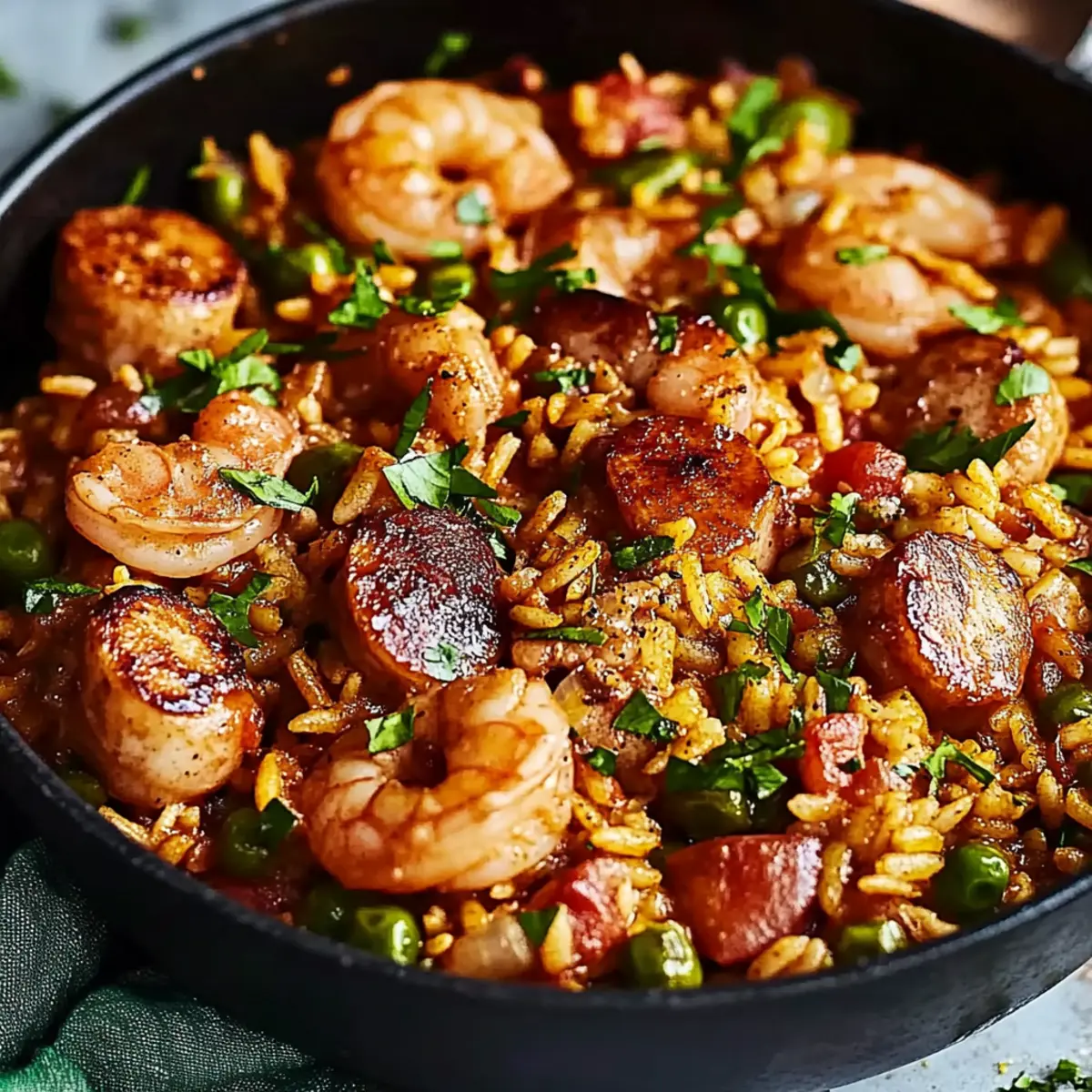
Savory Jambalaya: A Flavor-Packed Comfort Dish to Savor
Ingredients
Equipment
Method
- Heat the oil in a large pot over medium heat until shimmering.
- Sauté the diced onion, chopped green bell pepper, and minced garlic for 5-7 minutes until soft and translucent.
- Add the cubed chicken and sliced sausage to the pot. Cook for 8-10 minutes until the chicken is browned and the sausage starts to caramelize.
- Stir in the rice along with the paprika, cayenne pepper, dried thyme, black pepper, and salt. Sauté for an additional 2-3 minutes.
- Pour in the water or broth and bring to a rolling boil.
- Reduce the heat to low, cover the pot, and let it simmer for about 25-30 minutes until the rice is tender and has absorbed the liquid.
- Stir in the shrimp and cook for an additional 5 minutes with the lid on.

Leave a Reply